How to Use Moving Averages in Trading
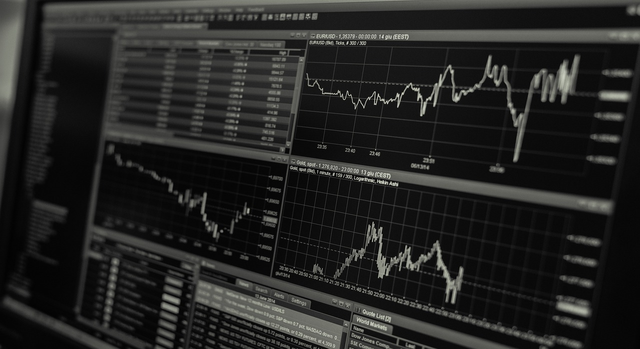
In the fast-paced world of the stock market, traders are always on the lookout for reliable tools to make informed decisions. One such tool that has stood the test of time is the moving average. Understanding how to use moving averages in trading can offer significant advantages, enabling traders to identify trends, confirm reversals, and make timely trades. Whether you're a seasoned trader or a novice investor, mastering this technique can enhance your trading strategy.
Understanding Moving Averages
Moving averages are a foundational tool in technical analysis, offering insights into price trends by smoothing out data over a specified period. Traders use moving averages to identify the direction of a trend and to spot potential reversal points. There are several types of moving averages, each serving a different purpose and providing unique insights.
The most common types are the simple moving average (SMA) and the exponential moving average (EMA). The SMA calculates the average price over a set number of periods, offering a straightforward view of the trend. In contrast, the EMA gives more weight to recent prices, making it more responsive to new information. Depending on your trading strategy, you might prefer one over the other.
Using moving averages effectively means understanding their role and applying them strategically. They can be used independently or in conjunction with other indicators to provide a more comprehensive view of the market. By analyzing the crossover points between different moving averages, traders can generate buy or sell signals.
Implementing Moving Averages in Your Trading Strategy
To effectively use moving averages in trading, it's crucial to integrate them into your overall strategy. This involves not only selecting the right type of moving average but also determining the appropriate time frames to use. The choice of time frame can significantly impact the signals generated by moving averages.
Choosing the Right Time Frames
Time frames play a critical role in the effectiveness of moving averages. Typically, short-term traders use shorter moving averages, such as the 5-day or 10-day SMA, to capture quick movements. Long-term investors might prefer longer periods, like the 50-day or 200-day SMA, to identify overarching trends.
Shorter time frames generally produce more signals, which can be useful for day traders looking to capitalize on small price movements. However, these signals may also include more noise, leading to potential false alarms. Longer time frames are more reliable for identifying significant trends but may generate fewer signals.
When choosing time frames, consider your trading style and risk tolerance. Experimenting with different combinations can help you find the best fit for your strategy.
Analyzing Crossovers for Trading Signals
One of the most powerful applications of moving averages is analyzing crossovers. A crossover occurs when a short-term moving average crosses above or below a long-term moving average, signaling potential changes in trend direction. This method is widely used to identify entry and exit points in the stock market.
There are two main types of crossovers: the golden crossover and the death crossover. A golden crossover occurs when a short-term moving average crosses above a long-term moving average, indicating a bullish signal. Conversely, a death crossover happens when a short-term moving average crosses below a long-term moving average, suggesting a bearish signal.
While crossovers can be effective, it's important to confirm signals with other indicators or patterns to avoid false signals. This ensures that your trading decisions are based on comprehensive analysis rather than isolated events.
Common Mistakes to Avoid When Using Moving Averages
Even though moving averages are popular among traders, there are common pitfalls that can lead to ineffective use. Recognizing these mistakes can improve your trading outcomes and help you avoid unnecessary losses.
FAQ: Addressing Common Concerns
- What is the biggest mistake traders make with moving averages?
One of the most common mistakes is relying solely on moving averages without considering other indicators. This can lead to misinterpretations and poor trading decisions.
- How can I avoid false signals?
To reduce false signals, use moving averages in conjunction with other technical indicators such as the Relative Strength Index (RSI) or MACD. This helps validate trends and signals.
- Are moving averages suitable for all types of markets?
While moving averages can be applied to various markets, they are most effective in trending markets. In sideways or choppy markets, their reliability decreases.
Practical Tips for Using Moving Averages
Integrating moving averages into your trading regimen can be highly beneficial. However, it's essential to apply them correctly to unlock their full potential. Here are some practical tips to enhance your use of moving averages in trading.
- Combine Moving Averages with Other Indicators: Use complementary indicators to confirm signals and improve accuracy.
- Backtest Your Strategy: Before implementing moving averages in live trading, test your strategy using historical data to gauge its effectiveness.
- Adjust Moving Average Lengths: Experiment with different lengths to find the optimal balance between signal frequency and reliability.
By following these tips, you can refine your approach and increase the effectiveness of moving averages in your trading strategy.
Advanced Techniques and Considerations
For traders looking to delve deeper into how to use moving averages in trading, advanced techniques can provide added layers of analysis. These methods typically involve integrating moving averages with other technical tools to create sophisticated trading systems.
FAQ: Exploring Advanced Questions
- What are some advanced techniques involving moving averages?
Advanced techniques include using multiple moving averages to create a moving average ribbon, which can provide more nuanced insights into trend strength and reversals.
- How does a moving average ribbon work?
A moving average ribbon involves plotting a series of moving averages with different lengths on the same chart. This visual representation helps traders assess the health and direction of the trend more comprehensively.
- Can moving averages predict future price movements?
While moving averages can indicate trends, they are lagging indicators and should not be solely relied upon for predicting future price movements. Use them as part of a broader analysis strategy.
By considering advanced techniques and understanding their application, traders can refine their use of moving averages and optimize their trading performance.
In conclusion, mastering how to use moving averages in trading requires a blend of knowledge, practice, and strategic implementation. By avoiding common mistakes, leveraging practical tips, and exploring advanced techniques, traders can harness the power of moving averages to enhance their trading decisions and achieve better outcomes in the stock market.


Yorumlar
Yorum Gönder