
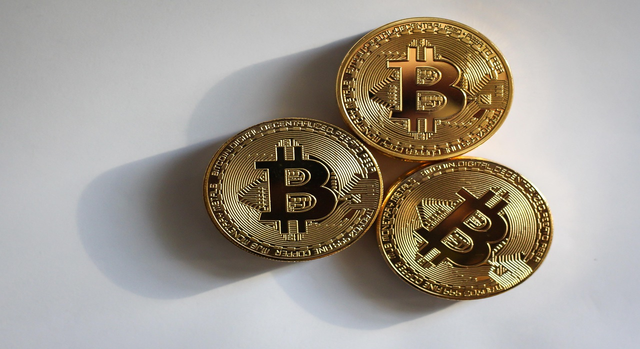
The world of cryptocurrency is vast and complex, often leaving newcomers puzzled by the differences between various digital assets. Among the most common questions asked is: What are crypto tokens vs coins? While these terms are frequently used interchangeably, they denote distinct categories within the cryptocurrency ecosystem. Understanding these differences is crucial for anyone looking to invest or participate in the crypto space.
Cryptocurrencies have revolutionized the financial landscape, offering new ways to transact, invest, and store value. However, the terminology associated with these digital assets can be confusing. To navigate this world effectively, one must distinguish between the various types of assets available, including coins and tokens. This guide will delve into the nuances of crypto tokens and coins, providing a clear understanding of their roles, functions, and use cases in the digital economy.
Understanding Crypto Coins
Crypto coins are digital currencies that operate on their own independent blockchain. The most well-known example is Bitcoin, which was the first cryptocurrency and remains the most valuable by market capitalization. Coins are primarily used as a medium of exchange, similar to traditional money, and as a means of storing value.
Each coin is native to its respective blockchain, which means that they are integral to the network's functioning. For instance, Ethereum operates on the Ethereum blockchain, while Litecoin runs on the Litecoin blockchain. These coins are created through a process called mining, which involves solving complex mathematical problems to validate transactions and secure the network.
Because coins operate on their unique blockchains, they are often referred to as native cryptocurrencies. Their primary purpose is to facilitate transactions within their networks, offering users a decentralized form of payment that is not subject to the control of any central authority.
- Bitcoin (BTC) - The first and most renowned cryptocurrency.
- Ethereum (ETH) - Known for its smart contract functionality.
- Ripple (XRP) - Used primarily for international money transfers.
Coins also provide additional functionalities beyond transactions. For instance, Ethereum allows developers to create decentralized applications (dApps) using its platform, while Bitcoin is increasingly seen as a store of value akin to digital gold.
Exploring Crypto Tokens
Unlike coins, crypto tokens do not have their own blockchain. Instead, they operate on existing blockchains, most commonly the Ethereum network. Tokens are created through smart contracts and can represent a wide array of digital assets and utilities.
Tokens are versatile and serve various purposes within the crypto ecosystem. They can represent assets such as real estate, stocks, or even art. Additionally, tokens are often used to grant access to specific services or applications within a blockchain network.
The creation of tokens is facilitated by standards like ERC-20 for Ethereum, which provides a framework for developers to issue tokens with predefined functionalities. This has led to a proliferation of tokens within the Ethereum ecosystem, each serving unique roles and enhancing the blockchain's utility.
The Role of Tokens in Decentralized Finance (DeFi)
Tokens play a pivotal role in decentralized finance (DeFi), a sector that aims to recreate traditional financial systems using blockchain technology. DeFi platforms utilize tokens to provide services such as lending, borrowing, and trading without the need for intermediaries.
Tokens in DeFi act as collateral, governance tools, and interest-bearing assets. For example, Compound's COMP token allows holders to participate in the governance of the protocol, while MakerDAO's DAI token is a stablecoin used for lending and borrowing activities.
Understanding the relationship between tokens and coins is essential for navigating the crypto landscape effectively. Tokens can be an integral part of a broader ecosystem, offering unique functionalities that coins alone cannot provide.
- What are the main differences between tokens and coins? Coins have their own blockchain, while tokens operate on existing ones.
- How are tokens created? Through smart contracts on blockchains like Ethereum.
- Can tokens represent real-world assets? Yes, tokens can represent assets like real estate or stocks.
Key Differences Between Crypto Tokens and Coins
The primary distinction between crypto tokens and coins lies in their underlying technology and purpose. Coins are fundamental to the operation of their blockchains, while tokens are built on top of existing blockchains and serve specific functions.
Coins are primarily used for transactions and storing value, whereas tokens can represent a variety of assets and utilities. This versatility makes tokens suitable for applications beyond mere transactions, such as governance, access to services, and representation of physical assets.
Another critical difference is how coins and tokens are issued. Coins are typically mined or staked, whereas tokens are created through smart contracts. This process allows tokens to be quickly and easily issued, contributing to their widespread adoption in various blockchain-based applications.
In essence, while both coins and tokens are integral to the cryptocurrency ecosystem, they serve distinct roles and offer different benefits to users and developers alike.
The Importance of Understanding Crypto Tokens vs Coins
For anyone involved in the cryptocurrency market, understanding what are crypto tokens vs coins is crucial. This knowledge enables investors and enthusiasts to make informed decisions, whether they are trading, developing applications, or participating in blockchain networks.
Recognizing the differences between these digital assets can also help avoid common pitfalls, such as investing in a token without understanding its underlying purpose or functionality. Additionally, this understanding can guide users in choosing the right type of asset for their needs, whether it's a coin for transaction purposes or a token for accessing specific services.
Common Mistakes to Avoid
When navigating the world of crypto, it's essential to steer clear of common mistakes. First and foremost, avoid assuming that all digital assets function the same way. Coins and tokens have distinct roles and should be evaluated based on their unique characteristics.
Another mistake is neglecting to research the underlying technology and purpose of a token or coin before investing. Understanding the project behind a digital asset can provide valuable insights into its potential growth and utility.
Finally, beware of scams and fraudulent projects, which are unfortunately prevalent in the crypto space. Always conduct thorough research and due diligence before committing to any investment.
- Can tokens be used as currency like coins? While some tokens can be used in transactions, they primarily serve other functions.
- What should I consider before investing in a token? Evaluate the project's purpose, team, and technology.
- Are coins more secure than tokens? Security depends on the blockchain's robustness and the asset's implementation.
With these insights into what are crypto tokens vs coins, you are better equipped to navigate the dynamic world of cryptocurrency. By understanding the fundamental differences and applications of these digital assets, you can make more informed decisions and leverage the potential of blockchain technology to its fullest.